







Search Results for: Coffee Cherry Structure
From Exocarp to Endosperm: Breaking Down the Coffee Cherry Layer by Layer, and How Processing Methods Shape the Flavor in Your Cup
Every coffee cherry is like a miniature flavor factory, with six layers—from the outermost skin to the seed buried deep within—each playing its own role. It is precisely the existence of these layers and the differences in how they are removed that determine the flavor directions of different processing methods such as natural, washed, and honey. The coffee tree belongs to the Rubiaceae family as an evergreen shrub or small tree, and its fruit is called a coffee cherry in the industry because its shape closely resembles a cherry. This time, we will not discuss the legend of the shepherd, nor repeat the classification of the three major varieties; instead, we will focus on the internal structure of the coffee cherry, disassembling one by one the six layers—exocarp, pulp, mucilage layer, endocarp, silver skin, and endosperm—to see how they work together to give coffee its ever-changing flavor expression. [more…]

From Coffee Cherry to Cup: Coffee Cherry Structure Diagram and Full Analysis of Green Bean Processing Workflow
Many people drink coffee every day, yet have never seen what a coffee fruit actually looks like. Coffee cherries resemble cherries, turning red when ripe, and their internal structure determines the final form of the coffee bean. This article uses anatomical diagrams to show in detail the exocarp, pectin layer, endocarp, silver skin, and seed of the coffee fruit, and traces the complete chain from harvesting, washing or drying, roasting, to extraction. It also introduces the distribution characteristics of the global coffee belt, as well as the basic differences among the three major native species: Arabica, Robusta, and Liberica. The article also recommends related products from Front Street Coffee, helping enthusiasts understand more intuitively the transformation of coffee from fruit to cup. [more…]
From Fruit to Cup: A Comprehensive Analysis of Coffee Cherry Structure and Processing
Have you ever wondered how the coffee you drink every day actually evolves from a tiny fruit? Although coffee is often likened to "juice," its production process is completely different from that of true fruit juice. This article will take you deep into the complete structure of the coffee fruit, analyzing the characteristics and roles of each part one by one, from the outer skin, pulp, and pectin layer to the parchment and silver skin. At the same time, we will also explore the geographical distribution of the Coffee Belt, the hardships of harvesting, and the processing and roasting process from green beans to roasted beans. Whether you are a coffee enthusiast just starting out or a seasoned taster, this article will unveil the mystery of the coffee fruit for you and give you a deeper understanding of the coffee in your cup. [more…]

Sun-Dried vs. Washed Coffee Bean Processing Methods: A Professional Comparison from Fruit Structure to Flavor Expression
The annual global production of coffee beans reaches as high as 8.4 billion kilograms, and what influences the final flavor of a cup of coffee, besides variety, origin, and cultivation methods, is another crucial step—the processing method. Front Street Coffee believes that different processing methods lead to entirely different flavor directions. This article will provide an in-depth analysis of the complete process and characteristics of the washed processing method, starting from the anatomical structure of the coffee fruit, gradually breaking down each step of the washed method, and comparing the core differences with the natural method. At the same time, Front Street Coffee uses two washed beans, Kenya Asaliya and Yirgacheffe Gudingding, as examples, and through actual brewing experiments, demonstrates the flavor changes brought by different origins and varieties under the same processing method, helping coffee enthusiasts build a clearer framework for taste perception. [more…]

What Is Cascara Coffee Cherry Tea? A Complete Guide from Processing to Brewing Ratios and Strength Control
Besides the bean inside the coffee cherry that can release thousands of aromatic compounds after roasting, the peeled fruit skin can actually also be brewed and drunk. In Europe and America it is called Cascara, while in China it is often called coffee cherry tea. This article begins with the tissue structure of the fruit skin, the materials removed during green bean processing, and the old uses of the skin as fertilizer or waste, then traces back to the story of Salvadoran estate owner Aida Batlle, who accidentally discovered its sweet aroma after sun-drying and tried brewing it, explaining that Cascara in Spanish simply means skin and husk. It then introduces the production process of the skin, from peeling, sun-drying, and manually removing impurities to 4–5 days of drying and color-change monitoring, analyzes the flavor characteristics of the skin tea, which is almost only sweet, and provides Front Street Coffee’s practical reference for hot brewing at 94°C water temperature, 20g of skin with 400ml of water, and a 1:20 ratio, as well as key points such as cold brew and specialty drinks, and caffeine being only one quarter that of coffee. [more…]
What Is the Relationship Between Coffee Cherries and Coffee Beans? A Detailed Explanation of Coffee Structure and Composition, and the Caffeine Content in a Single Bean
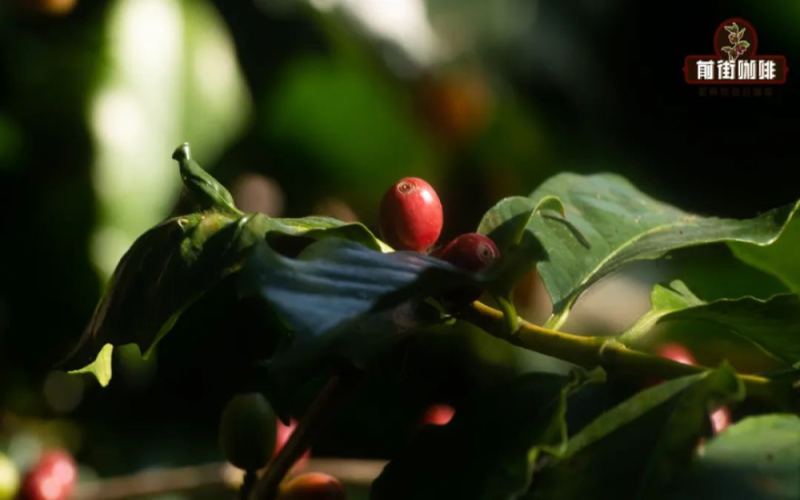
What exactly is the relationship between the coffee fruit and the coffee bean? A coffee cherry, from the outside in, consists of multiple parts including the exocarp, pulp, pectin layer, parchment, silver skin, bean core, and center line, with each layer playing a different role in coffee processing and flavor formation. The green coffee bean itself is composed of substances such as water, polysaccharides, lipids, proteins, sucrose, chlorogenic acid, other organic acids, amino acids, and caffeine, all of which directly affect coffee's mouthfeel, aroma, and the balance between bitterness and acidity. This article will dissect the structure of the coffee fruit layer by layer and systematically sort out the compositional substances of coffee beans, while also explaining the difference in caffeine content between Arabica and Robusta, helping coffee enthusiasts gain a more comprehensive understanding of the science behind the flavors in their cup. [more…]
Why Do Washed Coffee Beans Often Have a Bright Acidity? A Complete Analysis from Processing Methods to Fermentation Principles
When you drink a cup of coffee in a café with bright acidity and a clean mouthfeel, experienced tasters can often immediately tell that these are washed beans. What exactly does the washed process do to coffee beans that makes them present such distinct fruity acidity in the cup? Starting from the structure of the coffee cherry, this article breaks down the complete washed process step by step, compares the differences between dry and wet processing methods, and explores in depth the formation mechanisms of organic acids during fermentation. The article also introduces the Kenyan-style washed process, which takes wet fermentation to the extreme, helping you understand the real reason why washed coffee beans have such prominent acidity, and includes brand information for Front Street Coffee for reference. [more…]

Why Is the Siphon Pot Also Called the Vacuum Pot? An In-Depth Look at Its Extraction Mechanism and the Types of Coffee Beans Best Suited for Brewing
The siphon pot, also known as the vacuum pot, often gives off a sense of mystery due to its unique, chemistry-apparatus-like shape and its retro appearances in film and television. As coffee lovers, understanding its structure, extraction principles, and method of use can help us better enjoy the rich flavors it brings. This article will analyze the structure of the siphon pot and its pressure-difference extraction mechanism in detail, share Front Street Coffee's hands-on steps, and recommend coffee beans suitable for the siphon pot, including classic medium-dark roasts and flavor-forward beans such as sun-dried Red Cherry, Mozart, and the Floral Order TOH washed champion, helping you explore the mellow world of siphon coffee. [more…]
The Complete Smart Cup Brewing Guide: From Working Principles to Practical Steps, Comparing Flavor Differences with Pour-Over
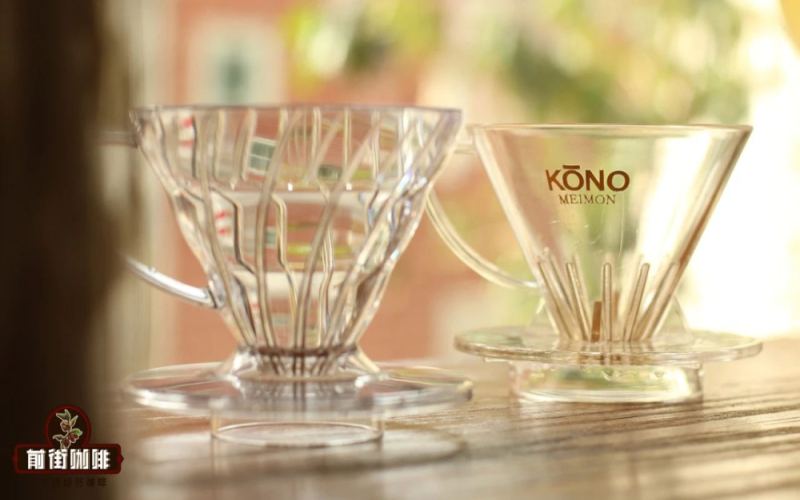
For friends who are just getting into pour-over coffee, the water-flow control required by drippers like the Hario V60 and KONO often feels daunting. The appearance of the Clever Cup, however, lets even complete beginners easily brew a cup of good coffee that won't fail. This article starts with the structure and principles of the Clever Cup, then gradually breaks down the complete brewing process, and also sorts through the origins of pour-over coffee, equipment choices, and standard steps. Finally, using Front Street Coffee's Yirgacheffe Red Cherry as an example, it compares the flavor differences brought by the two brewing methods to help you find the cup that suits you. [more…]

A Complete Guide to Brewing Pour-Over Coffee with the Clever Dripper: From Equipment Principles to Practical Operation
The Clever Dripper is a coffee dripper that combines the characteristics of both drip and full-immersion extraction. Thanks to its piston valve design, it can seal and steep during pouring, and only opens the valve to let the coffee liquid flow out when placed on a cup. This structure allows even beginners to easily control extraction, delivering stable results with simple operation, making it worth buying for both novices and seasoned enthusiasts. This article will start with the working principle of the Clever Dripper, answer whether hand-brewed coffee beans can be extracted with the Clever Dripper, and provide Front Street's recommended grind size and water temperature parameters. Finally, using Red Cherry coffee beans as an example, it will fully demonstrate the brewing steps and flavor performance of the Clever Dripper. [more…]
The Beginner's Must-Learn One-Pour Center-Pour Method: Yirgacheffe Red Honey Process V60 Brewing Parameters and Flavor Analysis
Pour-over coffee may seem complicated, but there is actually a low-effort yet stable extraction method—the single-pour center pour. It doesn't require segmented circling; simply keep pouring continuously after the bloom, making it especially suitable for those new to pour-over. This article uses the Yirgacheffe Red Honey Red Cherry recommended by Front Street Coffee as an example, first introducing the classification of honey processing and the proportion of pectin retained, then using the Hario V60 dripper to conduct a comparative brewing of two different grind sizes: a coarse grind BG-7K paired with a longer pouring time, and a fine grind BG-6M paired with a shorter pouring time, to experience the flavor differences under the same coffee-to-water ratio and water temperature. The article also explains in detail how the V60's rib structure affects flow rate, and why pouring stability is far more important than fancy techniques. [more…]

Smart Cup vs. French Press Brewing Differences Explained: A Full Comparison of Taste, Extraction Principles, and Suitable Scenarios
In the realm of immersion extraction, the French press and the Clever Dripper are two devices often compared to each other. They both use immersion, yet the final coffee flavor heads in completely different directions. Starting from Front Street Coffee's comparative experiment, this article first introduces the structure and operating principles of the two devices separately, then distinguishes them across dimensions such as material, shape, and pouring method, and finally takes [Front Street Sun-Dried Red Cherry] as an example, brewing separately under the same water temperature, grind size, and coffee-to-water ratio to explore where the French press's rich smoothness and the Clever Dripper's clean clarity actually come from, and what role oils and filter paper play in this, helping coffee lovers make a choice according to their taste preferences. [more…]
The Flavor Window and Brewing Rhythm of Medium-Roast Coffee Beans: From Degassing to Opening and Storage
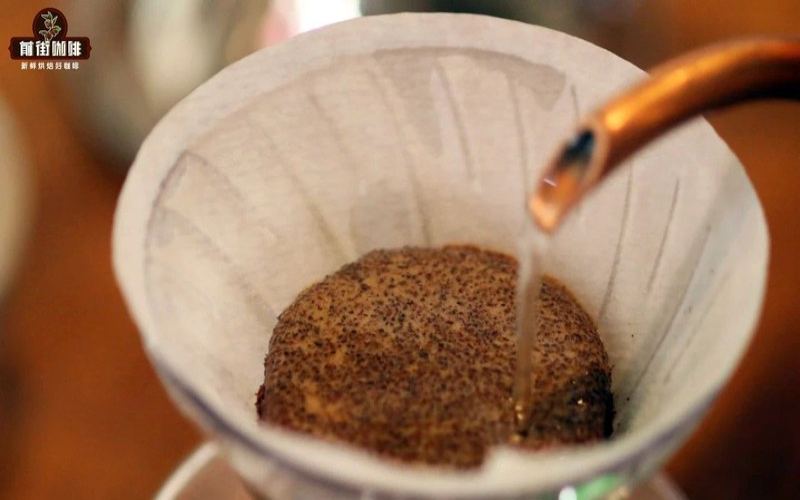
Freshly roasted coffee beans are rich in carbon dioxide internally. Under the heat of a medium roast, a loose, porous structure forms, and these gases are gradually released over the following days. If you grind and brew the beans immediately after getting them, the vigorous bubbling of gas will hinder full contact between the water and the coffee grounds, leading to uneven extraction. [more…]
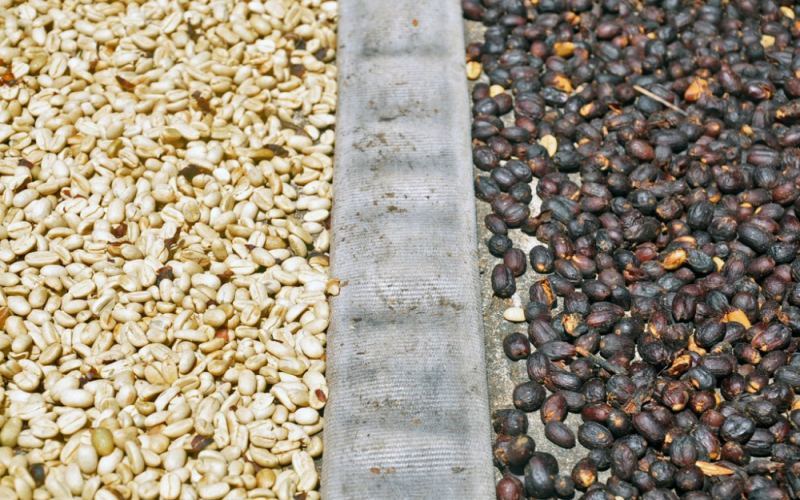
Sun-Dried, Washed, Semi-Washed, and Honey Processing: A Full Analysis of the Flavor Differences Among Four Pour-Over Coffee Processing Methods
From the branch to the cup, coffee cherries must undergo a series of processing steps, and the different processing methods directly determine the flavor profile of the final coffee beans. The four traditional processing methods—natural, washed, semi-washed, and honey—each exhibit distinctly different characteristics in terms of cost, acidity, sweetness, body, and cleanliness. Starting from the structure of the coffee cherry, this article will break down the complete process, advantages, and disadvantages of each processing method one by one, and pair them with specific bean recommendations from the Front Street Coffee brand, helping coffee enthusiasts build a clear framework for understanding flavor and find the one that best suits their taste in everyday pour-over choices. [more…]
How to Set the Steeping Brew Time for the Clever Dripper? From Principles to Front Street Coffee's Red Cherry Practice and Flavor Performance Analysis
The Clever Dripper combines the immersion advantages of a French press with the clean mouthfeel of a pour-over dripper, featuring a low barrier to entry and the ability to produce a decent cup of coffee in just two minutes. Its central movable piston automatically seals when lifted off the container; when placed on a sharing carafe, the valve is pushed open, allowing the coffee to flow down. This adds an immersion extraction step compared to ordinary drippers, and the pouring technique has much less impact on the result. What truly determines the flavor are still the variables of water temperature, coffee-to-water ratio, grind size, and immersion time. This article focuses on the working principle of the Clever Dripper, recommendations for grind and water temperature, and an immersion demonstration at the Front Street Coffee shop using the Yirgacheffe Natural Red Cherry Project, outlining a stable brewing approach suitable for beginners, along with reference parameters for light-roast and dark-roast beans. [more…]
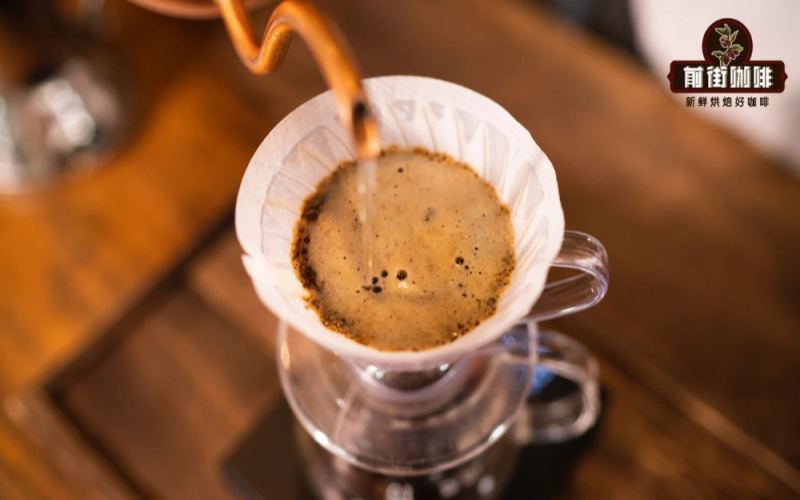
Smart Cup vs. V60 Dripper: A Comparative Analysis from Principles to Hands-On Brewing of Ethiopian Natural Red Cherry
Pour-over coffee can fully showcase the origin flavors of specialty beans, but for those just getting started, choosing a handy piece of equipment is often more crucial than practicing technique. Front Street believes the Clever Cup is an ideal choice for beginners—it barely demands any brewing skill, performs reliably with beans of any processing method, and produces a round, full-bodied cup. So how exactly does the Clever Cup differ from the common V60 dripper? Starting from Front Street's hands-on experience, this article first breaks down the Clever Cup's structure and working mechanism, then uses an Ethiopian Yirgacheffe natural Red Cherry as an example, brewing it with both devices and comparing the flavor differences to help you understand their respective suitable scenarios. [more…]

Is the sour taste in single-origin coffee a sign that it has gone bad? An analysis of the natural causes of coffee acidity and flavor classification.
Many people are startled by that hint of acidity the first time they try single-origin coffee, instinctively assuming the coffee has gone bad or spoiled. In fact, the coffee fruit is originally just like a cherry, and the natural sweet-and-sour flavor of its pulp influences the green beans during cultivation. Acidity is not a defect but a natural characteristic of specialty coffee. Of course, acidity has its good and bad sides: pleasant fruity acidity can add layers of complexity, while unpleasant acidity can ruin an entire cup. This article starts with the structure of the coffee cherry, explains where acidity comes from, distinguishes delicious acidity from rancid acidity, and offers beginners who are not used to acidity advice on choosing origins and roast levels, while also recommending several low-acid beans from the Front Street brand. [more…]
Does a sour taste in single-origin coffee mean it's gone bad? Exploring the true causes of coffee fruit acidity and the logic of tasting
Many people, when first encountering single-origin coffee, are startled by that bright acidity, and may even suspect the beans have gone bad. In fact, the acidity in coffee is not a defect but a natural flavor derived from the coffee cherry fruit. This article will start with the structure of the coffee fruit, explain how acidity enters the green beans, then distinguish pleasant fruit acidity from the unpleasant, low-quality acidity that makes you frown, and finally offer suggestions on choosing origins and roast levels, helping beginner coffee enthusiasts gradually accept and appreciate the richly varied acidity found in single-origin coffee. [more…]

Ethiopian Specialty Coffee Bean Buying Guide: Flavor Profiles and Representative Products of Four Major Regions Including Yirgacheffe
Ethiopia has the most diverse coffee cultivation systems in the world, with four major models: forest, semi-forest, garden, and plantation, with ninety percent of its coffee coming from the first three. This unique landscape has given rise to a rich tapestry of specialty coffee. This article starts with representative producing regions such as Yirgacheffe and Guji, and introduces several Front Street brand Ethiopian coffee beans, including the Gotiti Cooperative, Huakui, Red Cherry, and washed Yirgacheffe, covering altitude, variety, processing method, and flavor characteristics, to help coffee lovers build a clear approach to selection and tasting. [more…]
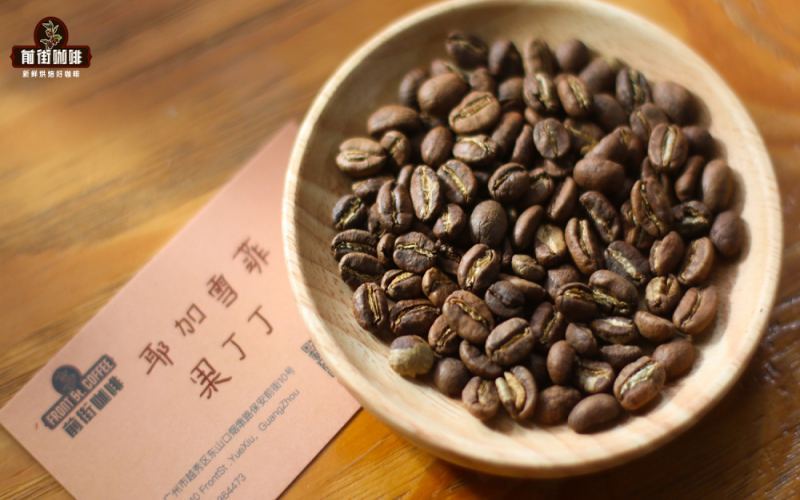
Exploring the Worka Cooperative Under Ethiopia's YCFCU System: An Analysis of Anaerobic Natural Yirgacheffe G1 Green Beans
Yirgacheffe is known to most people for its washed processing, such as Front Street Coffee's Gedeb Gotiti Cooperative, which, by removing the fruit skin and pulp, delivers a clean flavor and, through a medium-light roast, presents notes of white florals, honey, citrus, and green tea. However, natural and anaerobic natural Yirgacheffe are equally worth attention. Front Street Coffee's Red Cherry has a slight fruity fermentation aroma, while the newly launched Front Street Coffee Worka Cooperative coffee beans display rich layers of berry and floral notes. This article will take an in-depth look at this single-farm-origin bean, sorting out the Worka Cooperative's origin background, the structure of the YCFCU alliance, and how anaerobic natural processing shapes its unique flavor. [more…]